Camden Man And Van in Camden

Camden Man And Van provides a practical man and van service in Camden for home moves, single-item transport and light commercial jobs that need careful loading, sensible routing and clear communication. The service is built around smaller-scale removal work where a full lorry may be unnecessary, but the move still needs proper handling. That can include furniture, boxes, white goods, student belongings and office items that are ready to travel.
We support customers who need help moving between flats, houses, storage units, offices and short-notice collection points. The work is often about making a move feel orderly: choosing the right vehicle size, planning access, and handling items so they arrive in the same condition in which they left. If you are comparing options, keep the main aim in mind: a transport service that matches the load rather than the other way round.
For a clear first step, see pricing and quotes when you are ready to compare the likely scope of the job with the type of vehicle and labour required. Contact us to request a quotation with the details that matter most for your move.
House Moves and Local Transport
House moves are often the core reason people book a man and van, especially when the load is manageable but still too much for a car. In Camden, that can mean a one-bedroom flat, a shared house, a studio, or a few larger pieces moved between addresses. The value of the service is in keeping the process proportionate: enough capacity for the job, without paying for unused space or unnecessary complexity.
When a move is straightforward, the main decisions are usually volume, access and timing. Stairs, narrow hallways, loading restrictions and the presence of awkward items all affect the plan. A good job runs more smoothly when the load is described accurately, because that helps determine whether the move needs one trip or more, whether protective wrapping is sensible, and how long loading is likely to take. If you are at the stage of comparing options, it is better to define the move clearly than to overstate or understate it.
Typical house-removal tasks in this kind of service can include dismantled furniture, boxed household effects, mattresses, small appliances and items from storage. Fragile or high-value belongings need specific mention so they can be handled appropriately and positioned safely in the vehicle. The practical aim is simple: keep the load secure, avoid wasted movements, and match the plan to the actual property layout.
Home Deliveries, Furniture and Single Items

Not every booking is a full move. Many customers use a man and van for a single sofa, a bed frame, a wardrobe, a washing machine or a marketplace purchase that needs collecting and carrying. These smaller jobs can still involve lifting, manoeuvring through tight spaces and arranging items so that they travel without damage. The service suits anyone who needs transport with enough help to make the handover manageable.
Furniture pick-up work is especially useful when an item is too large for ordinary transport or too awkward to move alone. It may involve collecting from a shop, a seller, a storage locker or a private address, then taking the item to a home or business premises. Where disassembly or reassembly is involved, it helps to be explicit about what is already separated and what still needs attention, because that changes the labour required and the time needed on site.
For transport jobs of this type, one of the most important questions is whether the item can be moved in its current form. The answer affects the choice of vehicle, the number of people needed and the protection used during transit. If you are arranging a quotation, prepare the dimensions if you have them, note any stairs or lift restrictions, and confirm whether the item is boxed, wrapped or ready to load. Furniture pick-up may be the most relevant page if your main need is collection rather than a broader move.
Packing Support and Careful Loading
Some moves go smoothly because the packing has been done well before the vehicle arrives. Others need a little more help on the day, especially when items are mixed in size or when breakables need separating from heavier objects. Packing and unpacking support can be a useful part of a man and van booking when the aim is to reduce risk and make the load more organised before departure and after arrival.
Packing and unpacking services are worth considering if you want a more orderly transfer of household or office items rather than a simple point-to-point haul. Boxes should be closed securely, heavier contents kept low where possible, and delicate items cushioned so they are not crushed. Good packing is not about using lots of material; it is about putting the right items together in the right way, then keeping the load balanced during transport.
When packing is handled carefully, unloading also becomes easier. Labels, room groupings and a sensible order for loading can save effort at destination and reduce the chance of having to reshuffle everything later. For customers comparing services, the key benefit is control: less improvisation, fewer surprises and a clearer path from the collection point to the final room, shelf or storage space.
Commercial Moves and Office Relocation Support

Business customers often need a lighter, more flexible service than a large commercial removals operation. A man and van can suit equipment transport, archive boxes, desks, chairs and other office items that need moving without unnecessary delay. The emphasis is on keeping the business side of the job organised so that items are grouped sensibly and delivered in the right order for installation or storage.
Commercial moves can involve anything from a short transfer between nearby premises to the removal of surplus items during an office rearrangement. The most useful preparation is usually a clear list of what is going, whether furniture needs dismantling, and whether there are building rules for access or loading bays. A well-planned commercial move is less about speed alone and more about reducing interruption while keeping the load under control.
If you are moving part of an office rather than the whole premises, it may help to separate computer equipment, filing, meeting furniture and general stock into groups before the van arrives. That keeps the handover tidier and can make unloading more logical at the destination. Office relocation services may be a more suitable reference point when the move involves a structured workplace transfer rather than a one-off item collection.
How to Prepare a Useful Quotation Request
A quotation is easiest to shape when the job description is practical rather than vague. Give the collection and drop-off points, the type of property, the main items and any access limits that may matter. If there are stairs, parking issues, time windows or awkward pieces of furniture, mention them early. This is not about overexplaining; it is about giving enough detail for the move to be planned correctly.
Two details help especially often: approximate load size and whether assistance is needed with carrying. If you know the number of boxes or the dimensions of large items, include that. If the job includes both transport and lifting, say so clearly. A short written summary can save time and reduce the need for back-and-forth later. For a wider comparison of service options, removal services may help you see how a smaller van-based move differs from larger-scale removals.
It also helps to say whether the move is one-way, return-only or part of a collection run with multiple stops. That kind of detail affects route planning and loading order. For readers who prefer to review likely costs before making contact, pricing and quotes remains the most relevant page for the commercial side of the decision.
About Camden
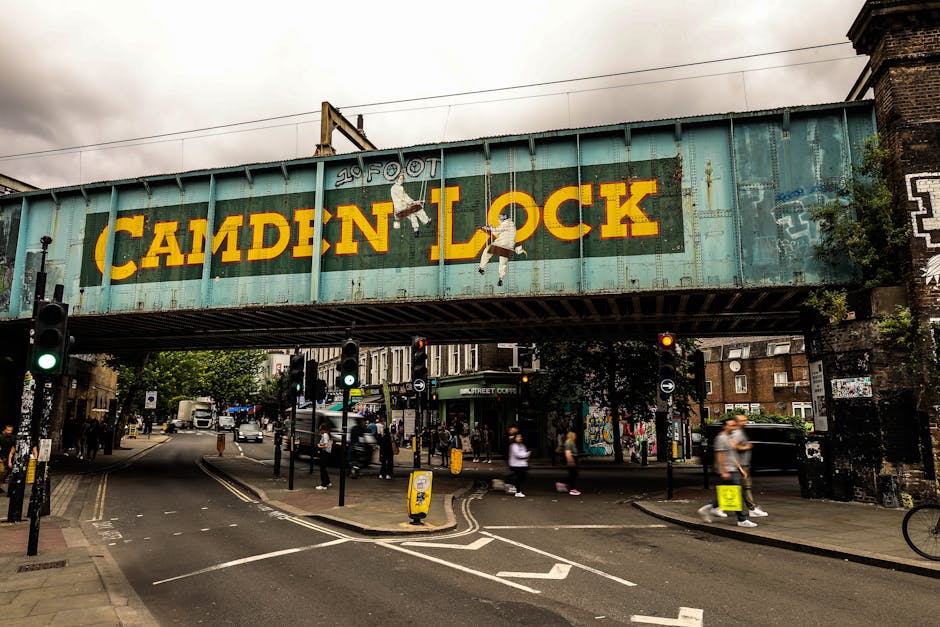
Camden is a district in north London with a strong identity shaped by transport links, markets, music culture and a dense mix of residential and commercial streets. Camden Town lies on the Regent’s Canal and grew rapidly in the nineteenth century as railways, industry and urban expansion transformed the area. The canal itself, opened in the early nineteenth century, remains an important part of the local landscape and gives the district a distinctive waterside character. Regent’s Park lies to the west, while the wider borough includes neighbourhoods such as Kentish Town, Somers Town and parts of King’s Cross, each with its own history and streetscape. The area is known for a varied built environment: Georgian terraces, Victorian mansion blocks, post-war estates and later redevelopment sit alongside older industrial buildings and retail frontages. Camden Market and the surrounding streets attract a constant flow of visitors, while the nearby transport network, including Underground and rail connections, has long made the district a significant point of movement within the capital. Cultural life is visible in music venues, independent shops and public spaces that combine local trade with a wider audience. The result is a place where historic layers, urban density and everyday activity sit closely together, giving Camden a character that feels both busy and highly specific.
Man and Van for Flats, Storage and Short Runs
Short-distance transport often looks simple until the practical details appear. A flat move may involve limited parking, shared entrances, split-level access or a need to move items into storage before a later delivery. A flexible van-based service is useful because it can be matched to the trip rather than forcing the customer into a larger arrangement than necessary. That can save time and keep the job easier to manage.
Home moves are often the best fit when the load is a mix of household possessions, furniture and a few fragile pieces that need sensible handling rather than full packing cover. The key decisions are the same each time: what is going, what needs protection, and how it will be carried from one place to the other. A smaller move still benefits from order, especially where there are multiple rooms or a storage unit involved.
Storage runs are another common use for a man and van. These jobs may be simple, but they still need a plan for access and stacking so that items can be loaded efficiently and found again later. If you are arranging a move with a storage stop, it is sensible to keep the items for storage separate from those going directly to the final address. That makes unloading faster and reduces the chance of a mix-up when several destinations are involved.
Vehicle Choice, Load Handling and Practical Options

Choosing the right vehicle matters because capacity affects both cost and convenience. A load that fits comfortably in one trip is easier to manage than one that needs repeated journeys or awkward stacking. If the items are bulky but light, space becomes the main concern. If they are heavy, then weight distribution and secure placement matter more. The job works best when the vehicle matches the actual pattern of the move.
Moving van and related van-based services are useful when you need transport that is still nimble enough for urban streets and tighter access points. For some jobs, the best option is simply a straightforward vehicle with careful loading rather than a more complicated arrangement. For others, there may be a need for trolleys, blankets, straps or a second pair of hands. The right combination depends on the items, the route and the property layout.
Customers sometimes ask whether it is worth separating a move into stages. The answer depends on what is being carried and how quickly each part needs to arrive. A staged approach can be helpful for offices, storage transfers and homes with limited space at the destination. If your move includes several distinct groups of items, mention them clearly so the plan can be built around the order in which they need to be handled.
Planning a Smoother Move
There are a few straightforward ways to make a man and van booking more effective without turning the process into a chore. First, keep related items together where possible so they can be loaded in sensible groups. Second, make sure the route between property and vehicle is as clear as it can be on the day. Third, note anything unusual about the property, such as steep steps, narrow corridors or shared access points. These simple details often improve the whole job.
Another useful habit is to separate items by priority. Things needed immediately at destination should not be buried beneath objects that can wait. This is especially helpful for household moves and office relocations where some items are required first and others can be stored or unpacked later. It also makes it easier to decide which items should travel together and which can go in a later load if needed.
House removals may be the most relevant option when a move is mainly domestic and you want a service page focused on that kind of work. If you are ready to speak to someone about your own job, the next step is straightforward: gather the basics, choose the service that matches the load, and request a quotation.
Items, Conditions and Careful Handling

Different items place different demands on a move, which is why a one-size-fits-all description rarely works. Sofas, wardrobes, appliances, boxes of books and fragile household items each need their own approach. The service is strongest when the handling matches the object: lifting where needed, wrapping where sensible and stacking in a way that reduces movement during transit. That practical care is often what customers are really looking for.
House movers is a useful reference for larger domestic jobs, especially where the move includes a fuller range of furniture and household contents. For more specific needs, a single-item collection may be the better fit. The important thing is not the label alone but whether the service scope actually matches what has to be moved. That keeps the quotation accurate and helps avoid unnecessary complexity.
When you are comparing options, it can help to think about the move in three parts: what is being collected, how it will travel and where it needs to end up. That simple structure is often enough to clarify the job and decide whether a man and van is the right solution. If it is, a well-planned request will usually make the next stage much easier to organise.